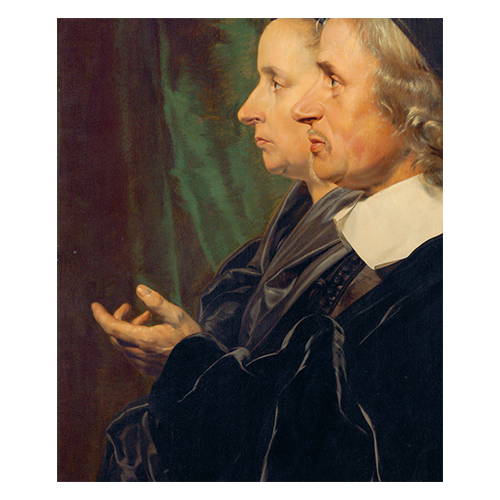
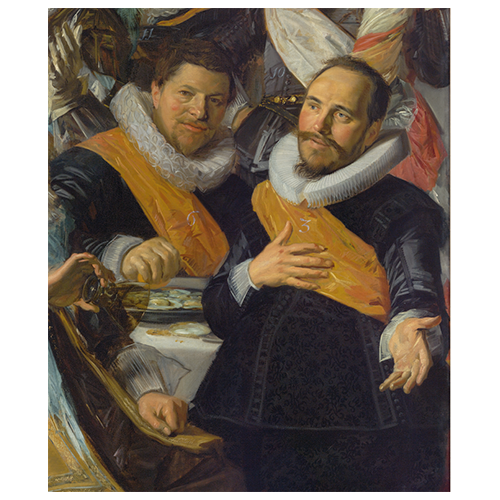
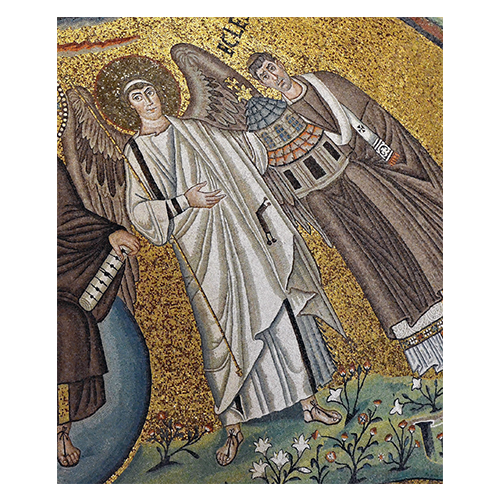
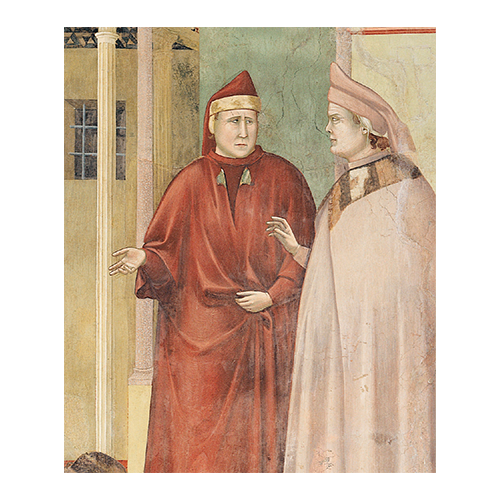
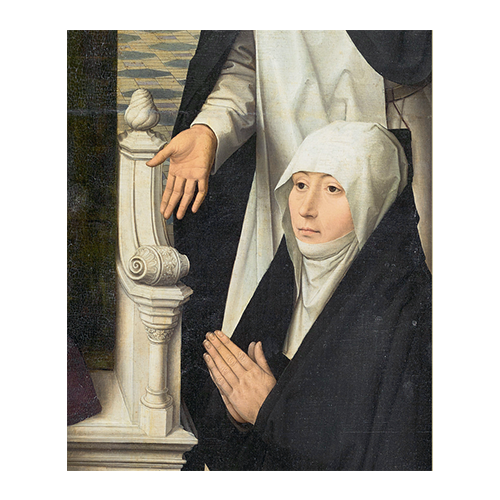
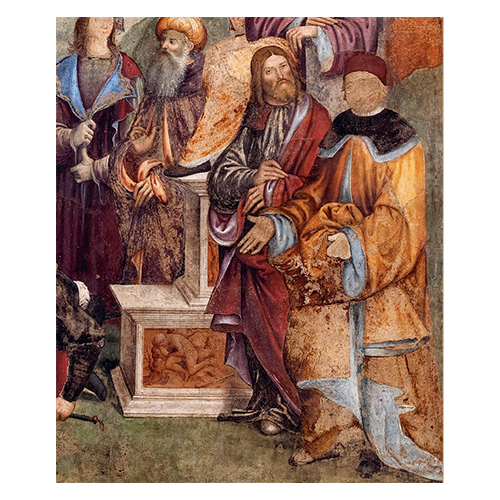
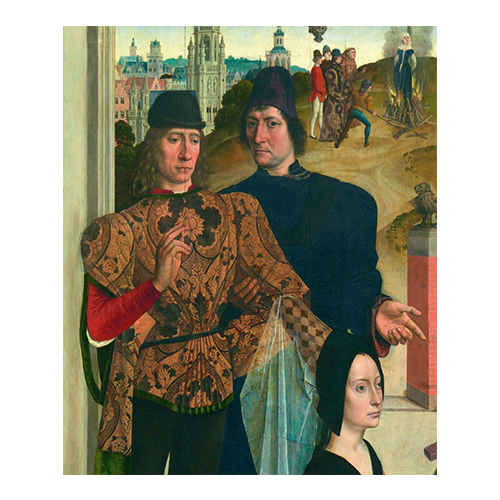
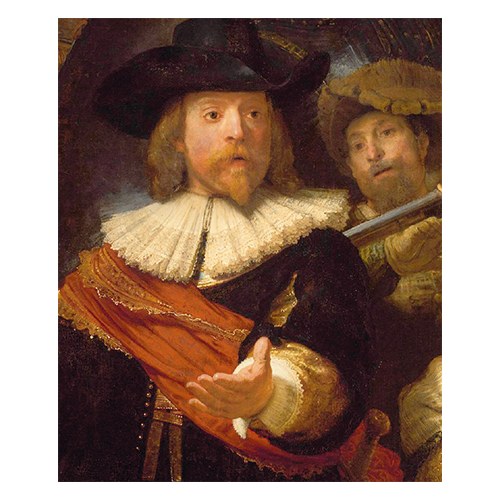
The Italian Renaissance, the Flemish Primitives, the Dutch Golden Age: the highlights of premodern European painting are connected by a common visual language. Hand gestures are everywhere in this language. We encounter them in religious art, family groups, and civic group portraits alike. One of the most common gestures is the active, open hand. What does this gesture have to tell us?
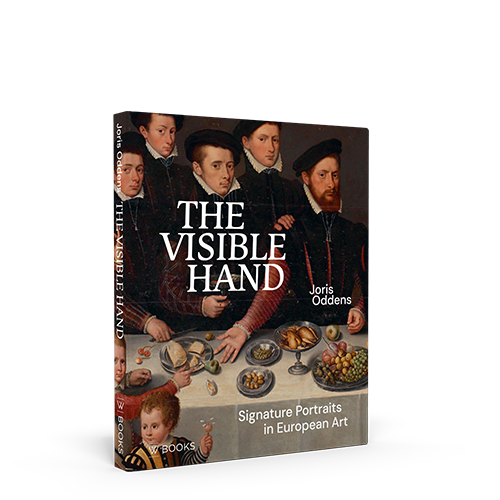
Previous scholarship has interpreted it as a gesture of presentation or speech, or as a conventional gesture with little meaning. Joris Oddens’s new book argues that these explanations miss a crucial point. Through visual analysis and historical research into the backgrounds of a large number of works of art, Oddens shows that the open-hand gesture draws attention to the artists, patrons, and initiators of the works in which it appears. Portraits featuring this gesture therefore function as signatures.
In The Visible Hand, this insight opens up new perspectives on the work of famous painters such as Giotto, the Van Eyck brothers, and Rembrandt. But the implications are much broader: for countless poorly documented works of art in public collections, it can help us better understand how these works came into being and who was involved in their creation. One aspect highlighted in the book is female patronage. Often suspected but difficult to establish on the basis of written sources, female commissioners can now be detected through the artworks themselves.
There are no reviews yet.